A successful couples' holiday doesn't begin on the beach, at dinner, or on a hiking trail. It begins the moment the door to the accommodation opens. Therefore, when designing a holiday apartment for couples, more than just beautiful furnishings is important: couples are looking for a place that offers privacy, keeps everyday life at bay, and makes spending time together easy. Spaciousness, light, tranquility, and practical details must all work together to create this.
## Design of a holiday apartment for couples' holidays with a clear concept
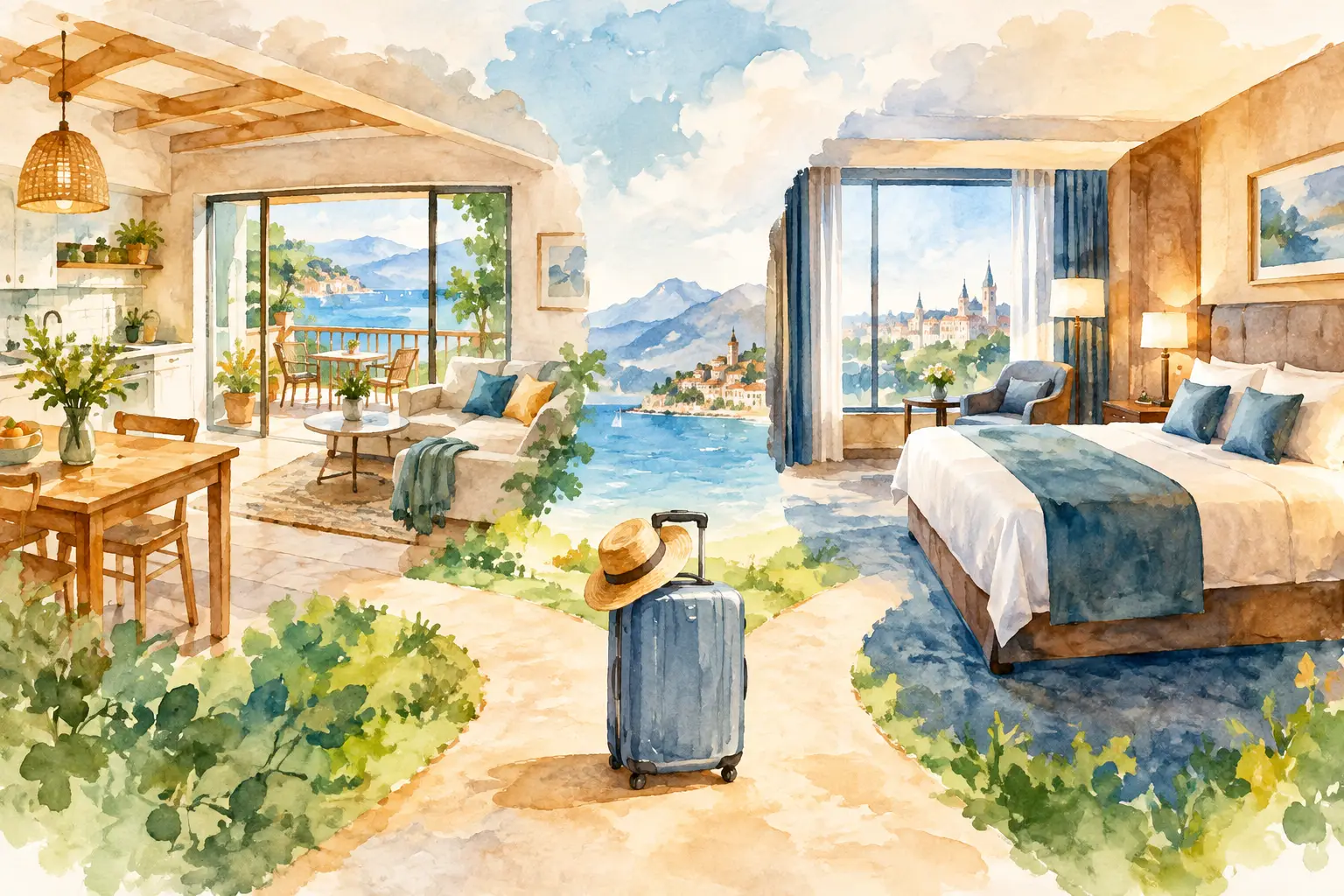
A holiday apartment for two doesn't have to be large to feel high-quality. What's crucial is how the rooms feel. A cluttered layout with lots of small furniture makes the stay feel cramped. A clear design with a few well-defined zones works much better: arriving, cooking, relaxing, sleeping, and getting ready in peace.
The design should suit the location of the accommodation. In a city apartment, clean lines, good lighting, and a comfortable dining area can take center stage. In the mountains, natural materials like wood, linen, and stone create a particularly inviting atmosphere. On the coast, light colors, airy curtains, and a balcony with a view can evoke a feeling of truly arriving. Authenticity trumps generic decor.
### A room needs a favorite spot
For couples, a favorite spot is often more important than an additional piece of furniture. This could be an armchair by the window, a cushioned bench on the patio, or a small sofa that isn't directly facing the television. This area invites you to drink coffee, open a book, or simply unwind together at the end of the day.
Especially in compact apartments, it's worthwhile to keep sightlines open. A clear path from the entrance to the window, a mirror that reflects daylight, and curtains that softly frame the room make even smaller spaces feel more relaxed. Couples don't book square footage alone; they book the feeling of having space for each other.
## A bedroom that truly offers relaxation
The bedroom is not just a secondary room on a couple's holiday. A good bed, high-quality linens, and effective privacy screens are essential. A standard-quality mattress can detract from an otherwise excellent accommodation, especially for weekend trips or longer stays. Investing here directly translates into better reviews and repeat business.
Lighting also deserves attention. Ceiling light alone is functional, but rarely atmospheric. Two dimmable reading lamps, warm light, and switches within easy reach of the bed make a noticeable difference. Additional benefits include power outlets on both sides, a small shelf for personal items, and ample wardrobe space.
Having a television in the bedroom is a matter of personal preference. For some guests, it's a convenient feature, while for others it detracts from the sense of privacy. It can be a sensible choice in urban accommodations for short breaks. In a wellness holiday apartment, a deliberately media-free room might be the better option, provided the living area offers sufficient entertainment.
## Designing the bathroom as a small private spa
A well-designed bathroom often conveys quality faster than any designer object. It doesn't have to be huge, but it should be well-maintained, bright, and practically furnished. A spacious shower, good water flow, soft towels, and ample storage space are essential for two people. Nothing disrupts a relaxing morning more than a sink with no room for toiletries and cosmetics.
Natural soaps, a magnifying mirror, a hairdryer, hooks for bathrobes, and pleasant lighting in front of the mirror enhance the experience. If location and budget allow, a freestanding bathtub, a rain shower, or a private sauna can transform a beautiful accommodation into something truly special. However, such features should be appropriate to the price range, target audience, and available space.
## Kitchen and food without everyday feeling
Many couples don't want to go out every night on vacation. A kitchen offers freedom, especially for longer stays. It should not only be there, but also be functional: equipped with sharp knives, good glasses, enough dishes for at least four people, a coffee machine, and space to prepare meals together.
A small dining table can suffice if it's well-placed. Even better is a table by the window, on the balcony, or near an atmospheric pendant light. A tray for breakfast in bed, a carafe for water, and a few high-quality basics transform a functional kitchen into an inviting space. Decorative items alone cannot replace these details.
Anyone marketing their vacation rental should photograph these areas honestly and generously. Guests want to see if two people can comfortably cook, eat, and relax there. Clear descriptions of the kitchen, coffee maker, dishwasher, refrigerator, and dining area make the booking decision easier.
## Private outdoor areas increase the value
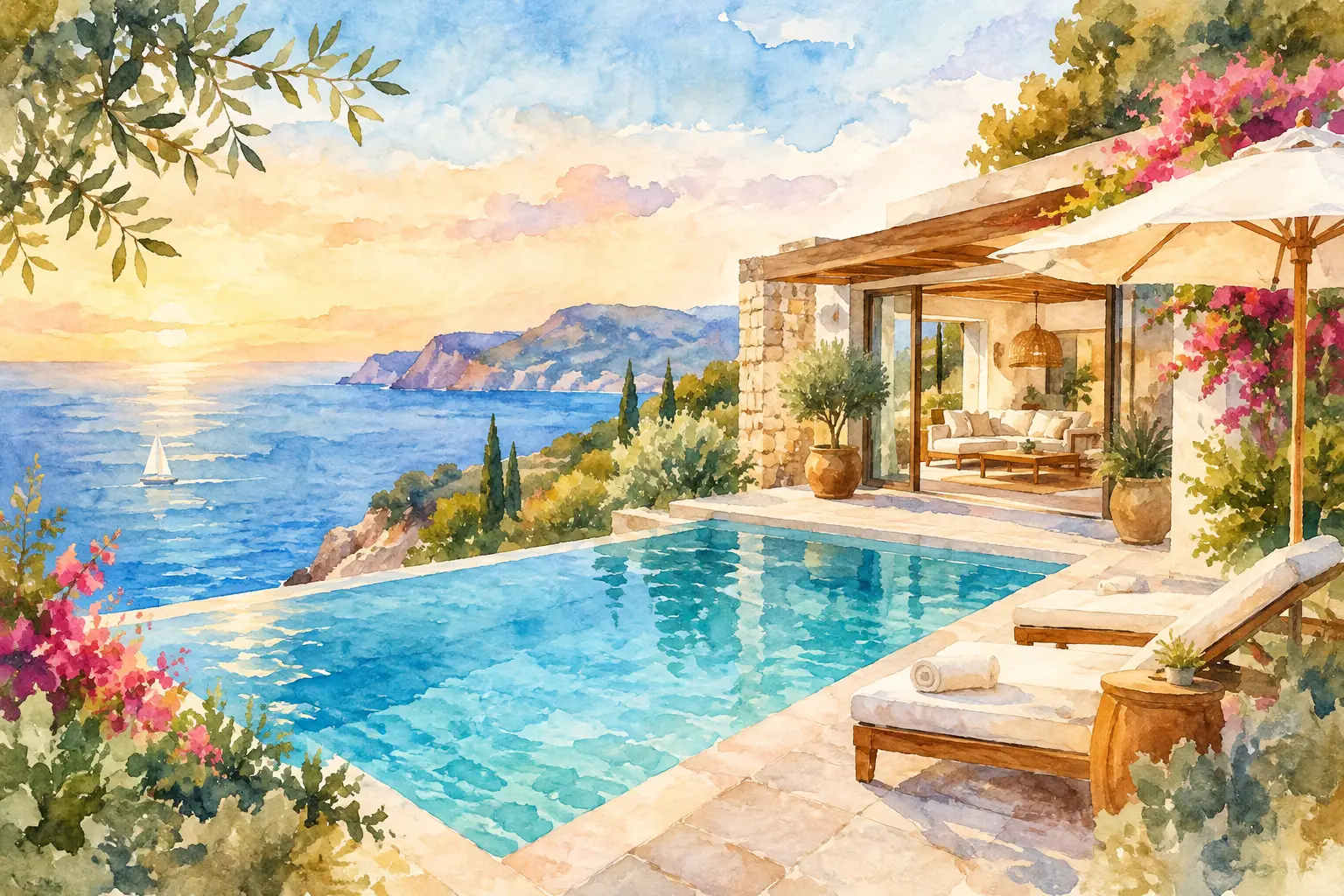
A balcony, terrace, or small garden can be the deciding factor for couples when booking a holiday home. It's not necessarily about size. Two comfortable chairs, a small table, subtle lighting, and a sheltered view create a space where the holiday feels longer.
Privacy is more important than elaborate furnishings. A balcony directly opposite other windows quickly loses its appeal. Plants, privacy screens, or clever furniture placement can help without obstructing the view. In warmer regions, sun protection and comfortable seating are essential. In cooler climates, blankets, windbreaks, or a covered area extend the time that can be spent outdoors.
A pool, whirlpool, or direct beach access are attractive features, but they also create expectations. Cleanliness, clear rules of use, and high-quality maintenance must live up to these promises. If an outdoor area is simple, it's better to present it as deliberately calm and well-maintained rather than as larger, more exclusive, or more private than it actually is.
## Practical comfort appears luxurious
Romance rarely arises from rose petals on the bed. It arises when the stay runs smoothly without unnecessary friction. Fast Wi-Fi, reliable air conditioning or heating, easy arrival, secure parking, and a clear check-in process are therefore part of the design. Those who arrive late or after a long journey don't want to be searching for keys, passwords, or the correct security system.
Clear and concise information is especially valuable for international guests: Wi-Fi access, how to use the equipment, waste separation, parking, emergency contact information, and recommendations for the immediate area. A short, well-designed welcome folder can have a personal touch but shouldn't be overloaded with rules. Digital information is convenient, but a printed summary available on-site remains helpful.
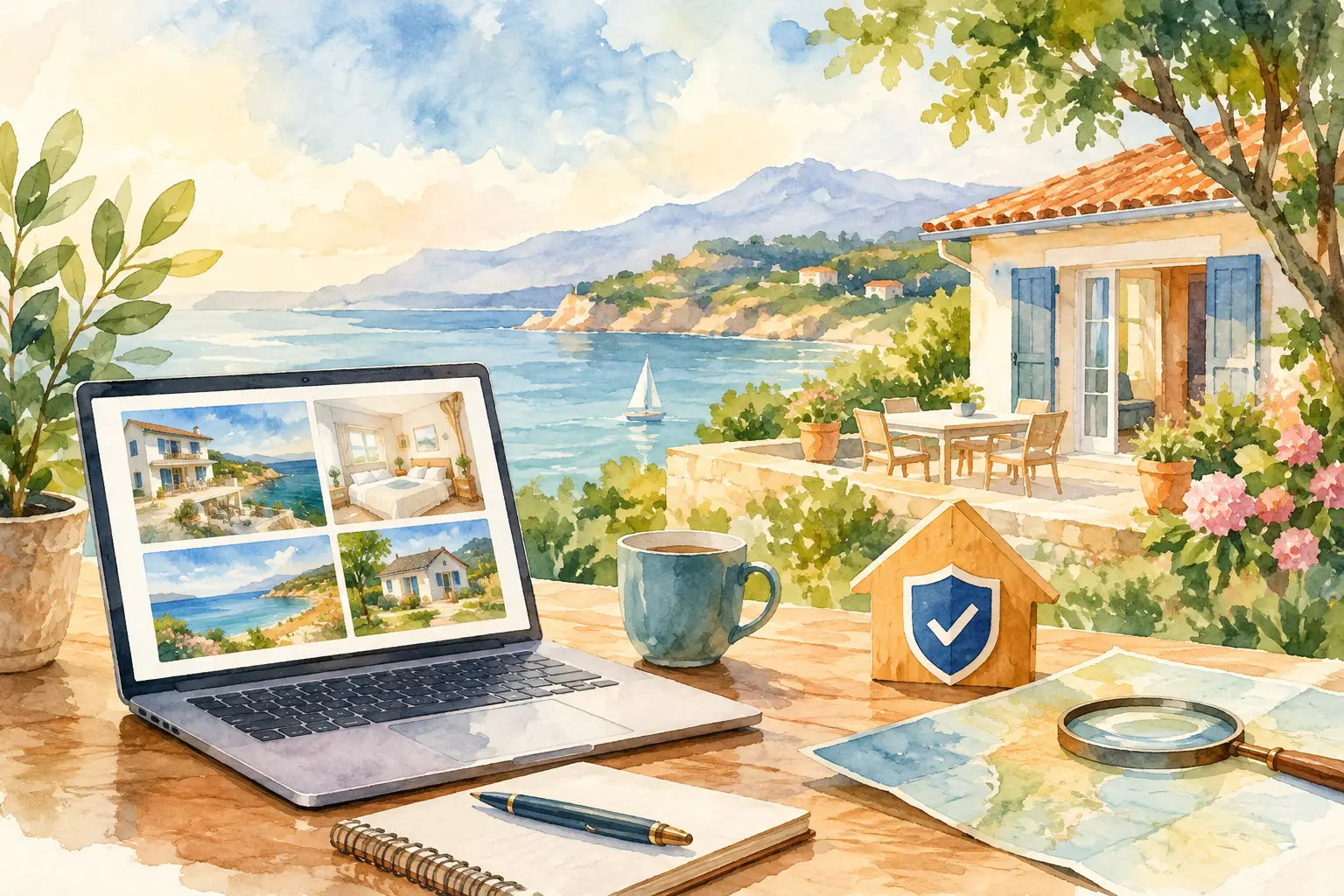
On a platform like ROOM4ME, such comfort features can be clearly displayed. Couples can filter by location, amenities, price, guest capacity, and special extras to choose accommodation that suits their needs. For hosts, complete information is a sign of trust—both before booking and upon arrival.
## Atmosphere yes, staging no
A vacation apartment should reflect its character. Local art, a beautiful ceramic piece, or a local guidebook can give the room personality. It becomes problematic when decorations cover every surface or appear so expensive that guests feel hesitant to move around freely. High-quality doesn't mean untouchable.
Fragrance should also be used sparingly. Strong room perfumes are a matter of personal taste and can trigger allergies. Fresh air, clean textiles, and subtle, natural materials are more convincing in the long run. The same applies to colors: A calm base tone with a few carefully chosen accents creates warmth without quickly becoming overwhelming.
## The booking site must confirm the experience
Even the best interior design loses its impact if photos are dark or lack important information. Show the sleeping area, bathroom, kitchen, seating area, and outdoor space as guests will use them. Photos taken in daylight, clear floor plans, and realistic perspectives create a sense of security. Details like electrical outlets, towels, or coffee makers don't necessarily need to be in the photos, but they should be clearly listed in the amenities.
A couple's holiday is always a personal one: some guests want peace and quiet and wellness, others proximity to the old town, the ski resort, or the sea. Therefore, no holiday apartment wins by conforming to a rigid ideal. It wins when design, location, amenities, and communication all come together authentically.
Don't create a space that only looks good in photos. Create a place where two people would happily linger over a coffee in the morning before setting off to experience the day together.